Drain Field Replacement in Denver, CO
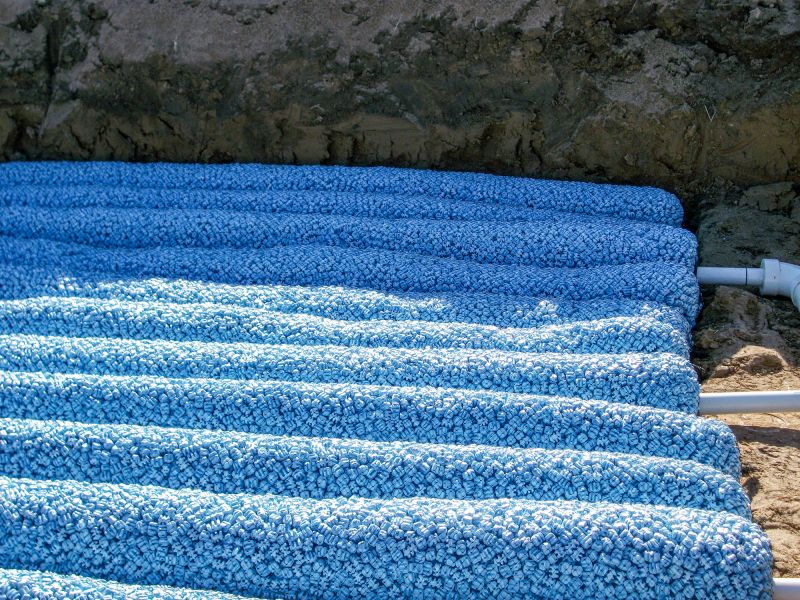
Drain field replacement services involve removing and installing a new drain field system to ensure proper wastewater management for residential properties. This process is typically needed when an existing drain field has failed, become clogged, or is no longer functioning efficiently due to age or soil conditions. Projects often include assessing the current system, excavating the old drain field, and installing new trenches and gravel beds designed to safely disperse wastewater into the soil. Property owners usually want to understand the signs of drain field failure, such as persistent odors, pooling water, or lush grass growth over the area, and what to expect during the replacement process.
Before requesting drain field replacement, homeowners should consider the history of their current system, including any previous repairs or issues. It’s important to understand the size and layout of the property, as well as local regulations or permits that may affect the project. Property owners often seek clarity on how long the replacement will take, what kind of disruption to expect, and how the new system will improve wastewater flow and soil absorption. Having this information helps ensure the project aligns with the property’s needs and compliance standards.
Many property owners in Denver, CO look into Drain Field Replacement for repairs, replacements, upgrades, and appearance-related improvements.
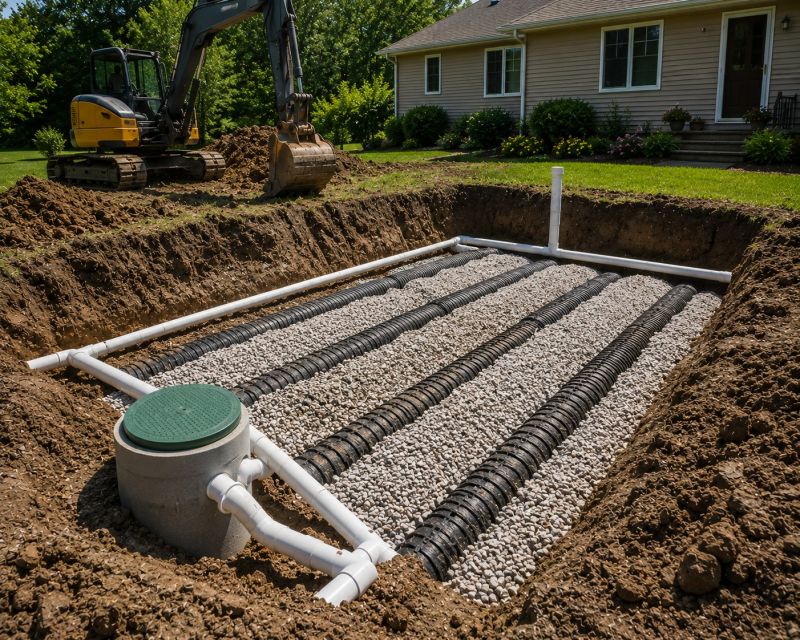
Signs Of Drain Field Issues
Unusual odors, pooling water, or lush grass over the drain area may indicate a problem.
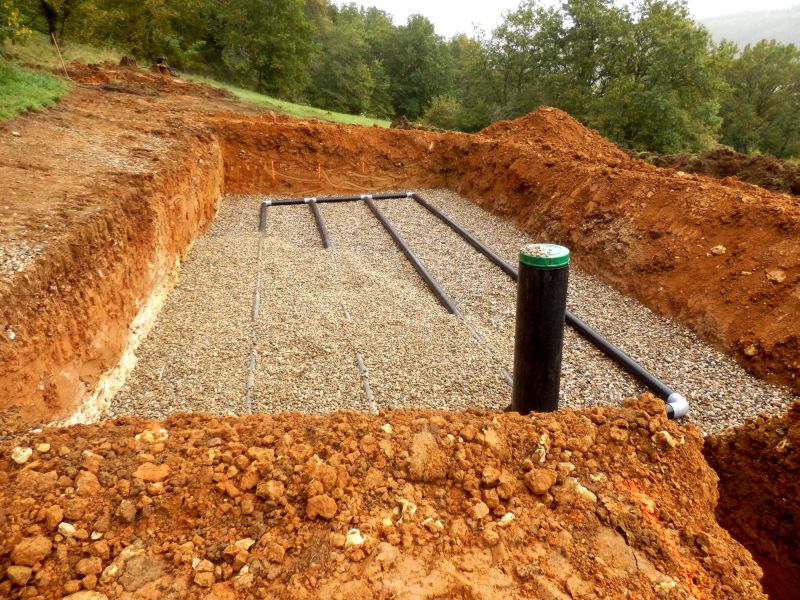
Reasons For Replacement
Drain fields may need replacement due to system failure, soil failure, or age-related deterioration.
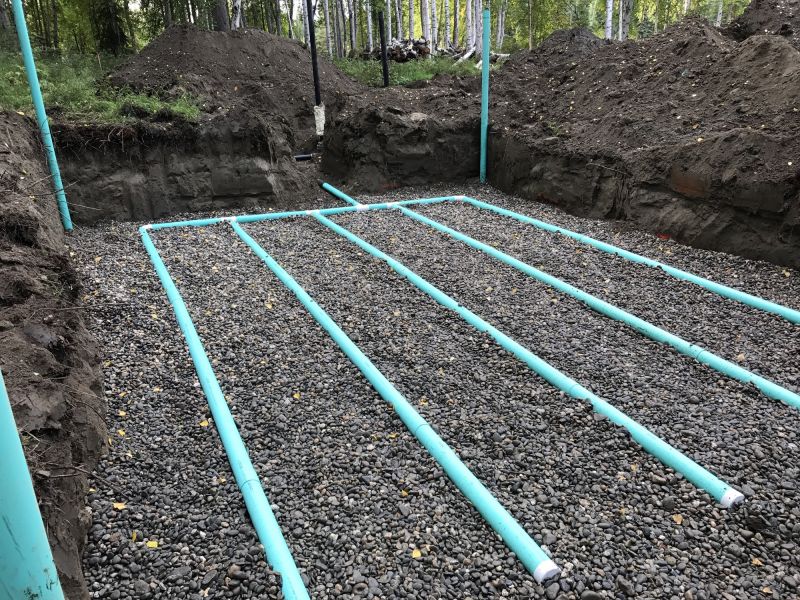
Replacement Process Overview
Replacing a drain field involves excavation, soil assessment, and installing a new leach field to ensure proper wastewater flow.
Drain Field Replacement in Denver, CO

Drain field replacement services involve removing and installing a new drain field system to ensure proper wastewater management for residential properties. This process is typically needed when an existing drain field has failed, become clogged, or is no longer functioning efficiently due to age or soil conditions. Projects often include assessing the current system, excavating the old drain field, and installing new trenches and gravel beds designed to safely disperse wastewater into the soil. Property owners usually want to understand the signs of drain field failure, such as persistent odors, pooling water, or lush grass growth over the area, and what to expect during the replacement process.
Before requesting drain field replacement, homeowners should consider the history of their current system, including any previous repairs or issues. It’s important to understand the size and layout of the property, as well as local regulations or permits that may affect the project. Property owners often seek clarity on how long the replacement will take, what kind of disruption to expect, and how the new system will improve wastewater flow and soil absorption. Having this information helps ensure the project aligns with the property’s needs and compliance standards.
Many property owners in Denver, CO look into Drain Field Replacement for repairs, replacements, upgrades, and appearance-related improvements.
Common Drain Field Replacement Jobs
Drain Field Replacement - Replacing an aging or failing drain field to restore proper sewage disposal.
Septic System Upgrades - Upgrading existing drain fields to improve system performance and longevity.
Drain Field Repair - Fixing damaged or clogged drain fields to prevent sewage backups and leaks.
New Drain Field Installation - Installing a new drain field to accommodate property expansion or septic system upgrades.
Drain Field Inspection - Conducting assessments to identify issues before they lead to system failure.
Drain Field Maintenance - Providing ongoing care to extend the lifespan of drain fields and ensure proper function.
Drain Field Replacement Questions
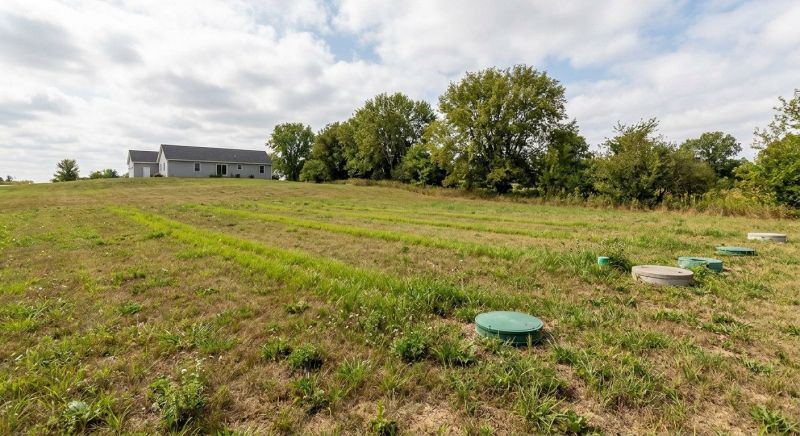
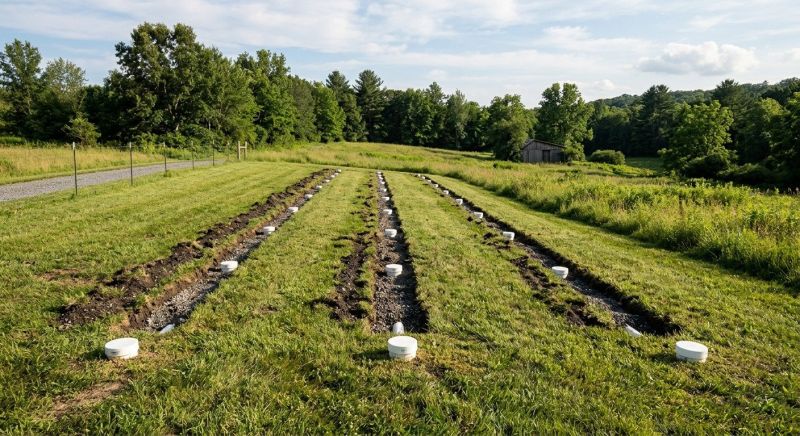
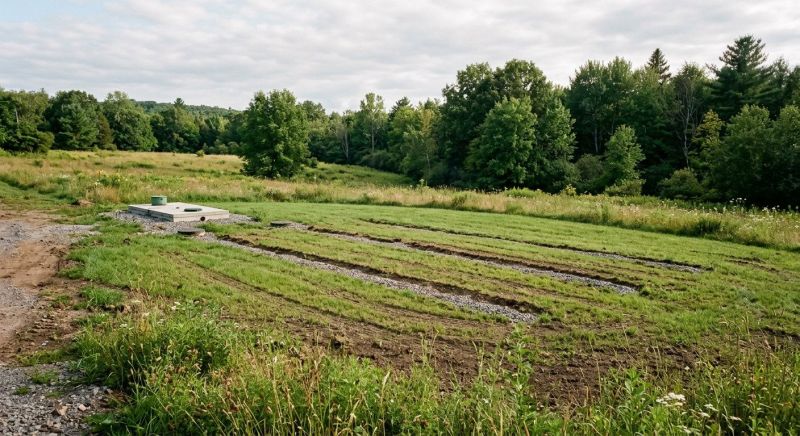
What is drain field replacement? It involves removing and installing a new drain field system to ensure proper wastewater dispersal from a septic system.
When is drain field replacement needed? Replacement may be necessary if the existing drain field shows signs of failure, such as standing water or persistent odors.
What types of properties typically require drain field replacement? Residential properties with septic systems that experience drainage issues often need this service.
How can property owners tell if their drain field needs replacement? Indicators include soggy ground, slow drains, or sewage backups in plumbing fixtures.
Request Drain Field Replacement in Denver, CO
Use the quote form on this page to share the basics of your project and request more information for the type of work you need.