Sewage Field Installation in Denver, CO
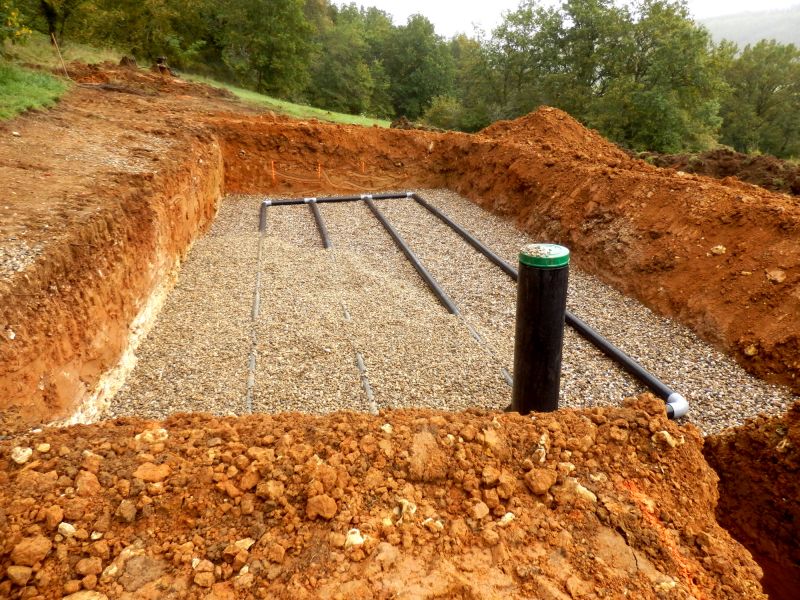
Sewage field installation services involve setting up a system to safely manage and dispose of wastewater from residential properties. This service typically covers the installation of septic drain fields, which are essential for homes that are not connected to municipal sewer lines. Property owners often seek this service when building new homes, replacing an aging or failing system, or upgrading their current setup to meet local codes and environmental standards. Understanding the size and layout of the property, as well as the expected wastewater volume, can help determine the appropriate type and design of the sewage field.
Before requesting sewage field installation, property owners should consider factors such as soil type, property size, and local regulations that influence system placement and design. It’s also helpful to evaluate the current drainage conditions and any potential obstacles like trees, structures, or underground utilities. Proper planning ensures the system functions effectively, minimizes future issues, and complies with local health and safety standards. Gathering this information in advance can facilitate a smoother installation process and ensure the system meets the specific needs of the property.
Many property owners in Denver, CO look into Sewage Field Installation for repairs, replacements, upgrades, and appearance-related improvements.
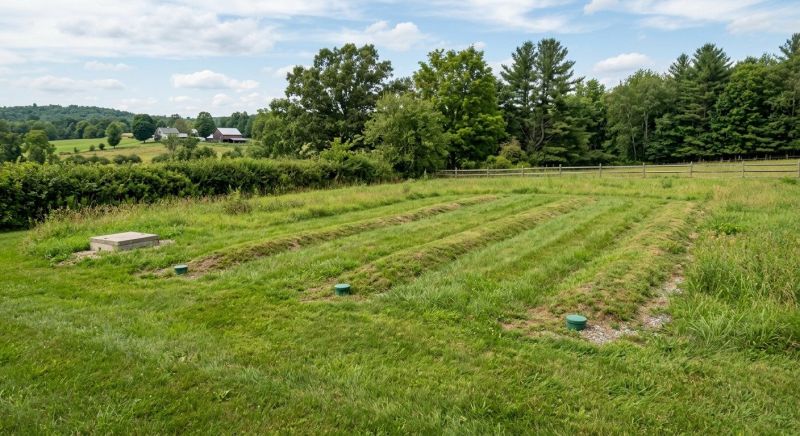
Sewage Field System Design
Proper design ensures reliable sewage disposal for residential and commercial properties in denver.
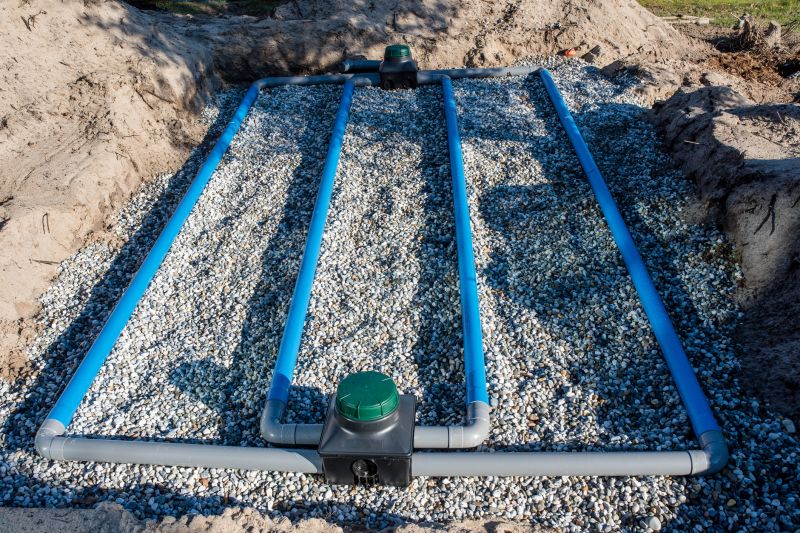
Installation And Connection
Seamless installation connects your property to the main sewer line efficiently and safely.
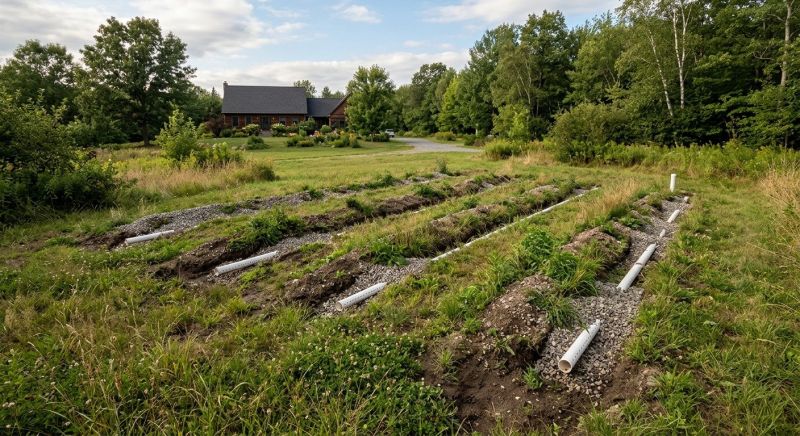
Maintenance And Repair Services
Regular maintenance and timely repairs help prevent system failures and extend the lifespan of sewage fields.
Sewage Field Installation in Denver, CO

Sewage field installation services involve setting up a system to safely manage and dispose of wastewater from residential properties. This service typically covers the installation of septic drain fields, which are essential for homes that are not connected to municipal sewer lines. Property owners often seek this service when building new homes, replacing an aging or failing system, or upgrading their current setup to meet local codes and environmental standards. Understanding the size and layout of the property, as well as the expected wastewater volume, can help determine the appropriate type and design of the sewage field.
Before requesting sewage field installation, property owners should consider factors such as soil type, property size, and local regulations that influence system placement and design. It’s also helpful to evaluate the current drainage conditions and any potential obstacles like trees, structures, or underground utilities. Proper planning ensures the system functions effectively, minimizes future issues, and complies with local health and safety standards. Gathering this information in advance can facilitate a smoother installation process and ensure the system meets the specific needs of the property.
Many property owners in Denver, CO look into Sewage Field Installation for repairs, replacements, upgrades, and appearance-related improvements.
Common Sewage Field Installation Jobs
Sewage Field Installation - Installation of new sewage disposal systems for residential properties.
Sewage Field Replacement - Removing and replacing aging or failed sewage fields to ensure proper drainage.
Sewage Field Repair - Fixing leaks, clogs, or other issues in existing sewage drain fields.
Sewage System Design - Planning and designing sewage fields tailored to property size and soil conditions.
Sewage Field Expansion - Extending existing sewage systems to accommodate property additions or upgrades.
Sewage Field Inspection - Assessing current sewage systems to identify problems and recommend solutions.
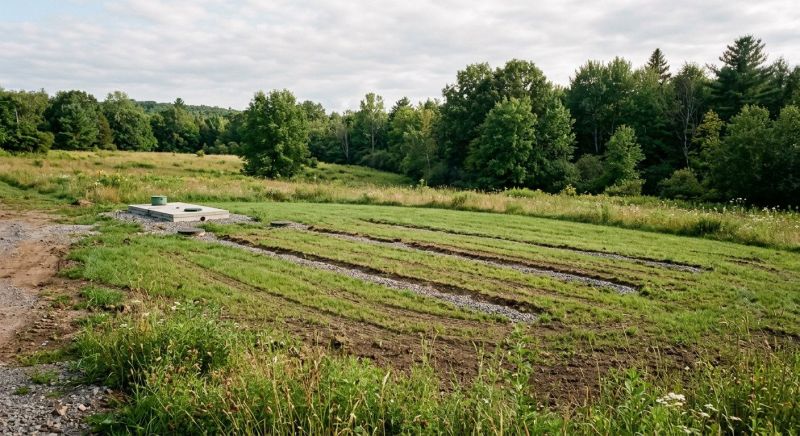
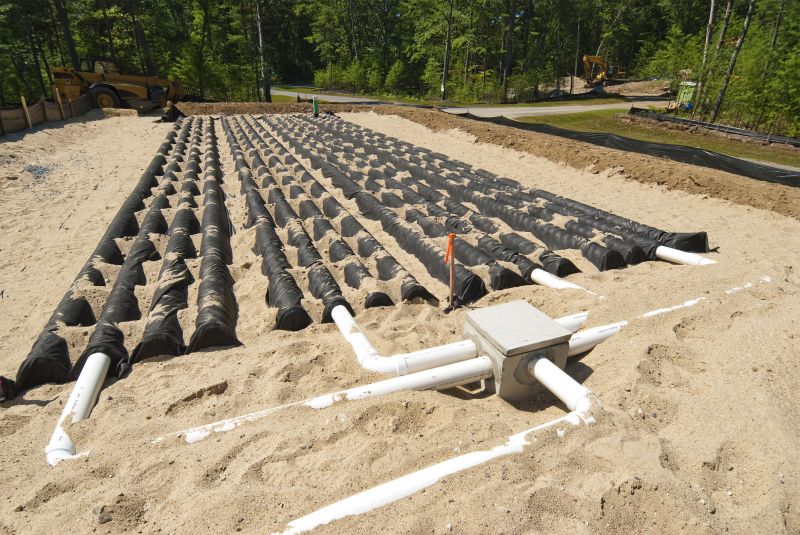
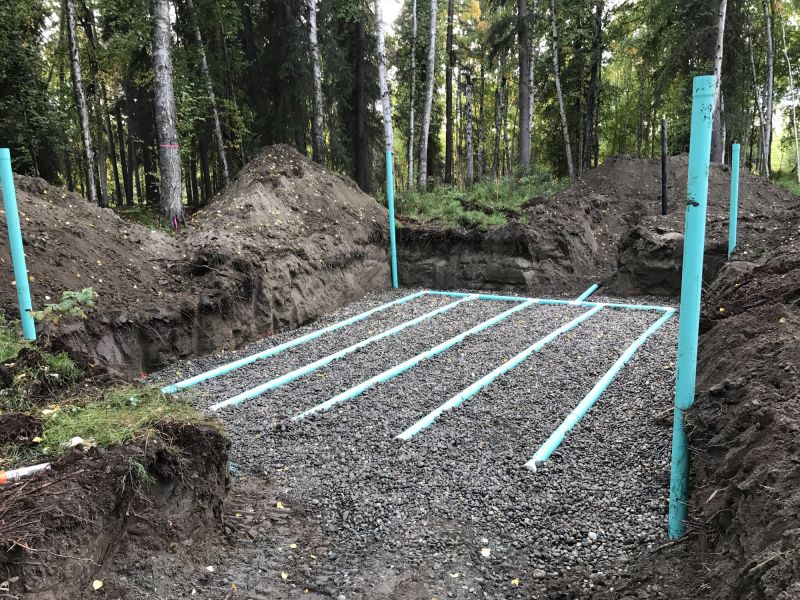
Sewage Field Installation Questions
What is sewage field installation? It involves setting up a system to safely manage wastewater from a property, typically for homes or businesses without access to municipal sewer lines.
When is sewage field installation needed? This service is necessary when installing a new septic system or replacing an existing one on a property that requires onsite wastewater treatment.
What types of sewage fields are available? Common options include conventional drain fields, mound systems, and alternative designs suited for challenging soil conditions.
What should property owners consider before installation? It’s important to assess soil suitability, property size, and local regulations to ensure proper system performance and compliance.
Request Sewage Field Installation in Denver, CO
Use the quote form on this page to share the basics of your project and request more information for the type of work you need.